Unlock Unforgettable Flavor: The Best Grilled Chicken Marinade Recipe You'll Ever Make
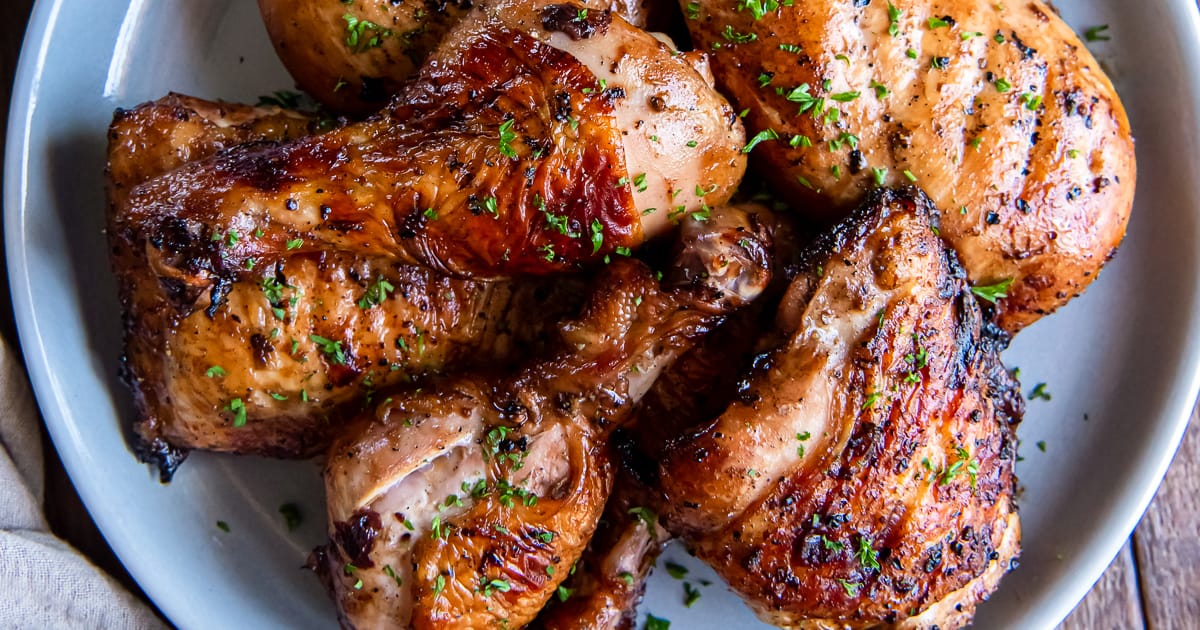
There's a special kind of magic that happens when chicken meets the grill – that smoky char, the tender interior, the promise of a perfect summer meal. But too often, grilled chicken falls flat, ending up dry and uninspired. The culinary secret to consistently juicy, tender, and incredibly flavorful grilled chicken isn't a complex cooking technique, but rather a simple, yet powerful, ingredient: a phenomenal marinade. Forget bland poultry; with the
best grilled chicken marinade recipe, your backyard cookouts and weeknight dinners will be transformed into an explosion of taste that will have everyone asking for seconds.
A great marinade does more than just add flavor; it works tirelessly behind the scenes to tenderize the meat, lock in moisture, and create that sought-after succulent texture. It’s the difference between merely cooked chicken and an unforgettable grilling experience. What if we told you that the secret to this mouthwatering transformation likely resides in your pantry right now? Get ready to turn humble chicken into the star of your next meal, guaranteed to be so good, you'll make it on repeat all summer long.
The Anatomy of the Best Grilled Chicken Marinade
At its heart, any truly effective marinade must balance key flavor profiles and functional components. Think of it as a symphony where each instrument plays a crucial role in the final harmony. The best grilled chicken marinade recipe expertly combines fat, salt, sweetness, and acidity to create a perfect environment for infusing flavor and ensuring tenderness.
Essential Components for Peak Performance:
- Fat: The Flavor Carrier & Moisture Keeper
Our marinade begins with extra virgin olive oil. More than just a lubricant for the grill, olive oil boasts its own rich, fruity, and herbaceous notes that deeply penetrate the chicken. It acts as a solvent for fat-soluble flavors and helps to create a barrier that locks in moisture during the high heat of grilling, contributing significantly to that coveted juicy texture. While olive oil is preferred for its flavor, a neutral oil like canola or vegetable oil can also be used effectively, allowing other flavors to shine through.
- Salt: The Deep Seasoning & Tenderizer
For true seasoning that goes beyond the surface, soy sauce is our star. Beyond its inherent saltiness, soy sauce brings a profound umami depth and a subtle sweetness that traditional salt alone cannot. The sodium ions in the soy sauce help to denature the protein fibers in the chicken, allowing them to absorb more moisture and leading to a more tender bite. This deep seasoning ensures every fiber of chicken is permeated with savory goodness.
- Sweetness: The Caramelization Catalyst & Balancer
A touch of brown sugar is vital. Its molasses notes complement the savory soy sauce and bright lemon, creating a beautifully balanced flavor profile. More importantly, sugars caramelize under heat, developing that gorgeous golden-brown crust and imparting a delicious, slightly smoky sweetness to the grilled chicken. If brown sugar isn't on hand, honey or even a hint of molasses can serve as excellent substitutes, each adding its own unique depth.
- Brightness & Acidity: The Tenderizing Spark & Flavor Enhancer
The dynamic duo of fresh lemon juice and Dijon mustard provides the necessary acidity. Lemon juice not only adds a vibrant, zesty lift that cuts through richness but also gently denatures the proteins in the chicken, contributing to its tenderness. Dijon mustard, with its tangy, slightly spicy kick, acts as an emulsifier, helping to bind the marinade ingredients together, and further brightens the overall flavor. Together, they prevent the chicken from tasting flat and ensure a lively, appealing finish.
- Aromatic Herbs: The Freshness Factor
Finally, fresh herbs are indispensable for adding a burst of aromatic freshness. While the specific herb can vary based on preference, options like rosemary, oregano, thyme, or finely chopped parsley infuse the chicken with earthy, peppery, or fragrant notes that elevate the entire dish from good to extraordinary. They prevent the chicken from being "boring" and add a signature touch.
Customize Your Marinade: Pantry Staples & Creative Twists
One of the greatest strengths of this foundational recipe is its incredible versatility. It’s designed to be adaptable, allowing you to tailor it to your personal taste, what’s readily available in your kitchen, or the specific cuisine you're aiming for. This flexibility means you’ll never be caught without the ingredients for a fantastic grilled chicken dinner.
Don't have lemon juice? No problem! An equal amount of fresh lime juice will lend a tropical, zesty kick, or experiment with various vinegars like white wine vinegar, red wine vinegar, or apple cider vinegar for different nuanced notes. Each will provide the essential acidity while offering unique underlying flavors. Similarly, if soy sauce is missing, Worcestershire sauce makes an excellent substitute, bringing its own complex, savory, and slightly tangy profile.
For those who love to experiment, consider introducing new dimensions to your marinade:
- Spice it Up: A pinch of red pepper flakes, a dash of hot sauce, or a teaspoon of smoked paprika can add a welcome heat or smoky depth.
- Garlic & Onion: Minced fresh garlic or onion powder are classic additions that deepen the savory foundation.
- Global Flavors: A touch of ginger for an Asian twist, or cumin and coriander for a Mediterranean vibe.
The possibilities are truly endless, transforming this basic formula into your signature creation. For even more inventive ideas and swaps, explore
Pantry Perfect: Easy Grilled Chicken Marinade & Customization.
The Art of Marinating: Best Practices for Success
Crafting the perfect marinade is only half the battle; knowing how to properly apply it is equally crucial for achieving optimal results. These best practices ensure maximum flavor penetration, ideal texture, and safe food handling.
Simplified Prep and Storage
The easiest and most hygienic way to marinate chicken is using a large plastic zip-top bag. This method ensures that the chicken is fully submerged and coated in the marinade, minimizes cleanup, and allows for easy disposal of the used marinade without worrying about cross-contamination of your dishes. Always place the sealed bag in a casserole dish or a pan with sides before refrigerating. This safeguards against any potential leaks, keeping your fridge clean and safe.
Timing is Everything: The Golden Rule of Marinating
When it comes to marinades with acidic components like lemon juice, more isn't always better. Marinating for too long can have adverse effects due to the acid's tenderizing action. If chicken sits in an acidic marinade for an excessive period, the proteins can begin to break down too much, resulting in a mushy, stringy, and unpleasant texture rather than the desired tender bite.
Here’s a general guide for optimal marinating times:
- Chicken Breasts (boneless, skinless): 30 minutes to 2 hours. Their leaner profile means they absorb flavors quickly and are more susceptible to over-tenderizing.
- Chicken Thighs (boneless, skinless): 2-4 hours. Their slightly higher fat content allows for a bit more marinating time.
- Bone-in, Skin-on Pieces (thighs, drumsticks, whole pieces): 4-6 hours, or even up to 8 hours. The bone and skin provide a buffer, allowing for longer flavor absorption.
- Never Exceed: For chicken, it's generally best to avoid marinating for more than 12-24 hours, especially with a highly acidic marinade.
Pre-Grill Prep: Pat it Dry!
Once your chicken has soaked up all that delicious flavor, resist the urge to transfer it directly from the marinade to the grill. While there's no need to rinse the marinated chicken under water (which can wash away flavor), it is absolutely essential to pat it thoroughly dry with paper towels. Excess moisture on the surface of the chicken will create steam on the grill, preventing a beautiful sear and that desirable crispy, caramelized crust. A dry surface is key to achieving that perfect char and an evenly cooked, flavorful exterior.
Safe Disposal of Used Marinade
Never reuse marinade that has been in contact with raw chicken. Once you're done marinating, simply seal the zip-top bag and discard it directly into the trash. This prevents the spread of bacteria and ensures a safe cooking environment.
By following these simple steps, you're not just cooking chicken; you're crafting an experience. For more in-depth techniques to ensure your chicken is always succulent and never dry, be sure to read
Avoid Dry Chicken: The Best Marinade Recipe for Tender Grilling.
Beyond Chicken: The Versatility of This Marinade
While we're championing this as the
best grilled chicken marinade recipe, its balanced flavor profile makes it incredibly versatile for other proteins. Our reference context specifically mentions its delightful application to pork. Try marinating pork tenderloin or pork chops for a big punch of flavor and tenderness. The combination of sweet, savory, and tangy notes works beautifully with pork's inherent richness. You can also experiment with firm fish like swordfish or salmon (marinating for a shorter period, usually 30-60 minutes), or even heartier vegetables like portobello mushrooms or bell peppers for a vegetarian grilling delight.
Conclusion: Your New Go-To Grilled Chicken Secret
Mastering the grill starts with mastering the marinade. This comprehensive guide to the
best grilled chicken marinade recipe equips you with the knowledge and confidence to consistently produce incredibly juicy, tender, and flavor-packed grilled chicken. By understanding the role of each component – from the olive oil's rich notes to the lemon juice's tenderizing zest – and following best practices for marinating, you're not just cooking; you're creating culinary magic. Say goodbye to dry, bland chicken forever and usher in a new era of delicious, effortlessly impressive grilled meals that will leave a lasting impression. Gather your ingredients, get marinating, and prepare for rave reviews!